
SMS Marketing for Restaurants: Texts That Fill Tables
Most of your marketing never gets seen. Emails sit unopened in a promotions tab, social posts get buried by an algorithm, and flyers end up on the floor of the car. But restaurant SMS marketing is different: a text message lands in the one inbox nearly everyone checks within minutes. When a slow Tuesday night hits and you need thirty extra covers, nothing beats a well-timed text to people who already love your food.
The catch? SMS is permission-based and punishes laziness. Spam a list with random blasts and people opt out in droves. Run it right, though, and texting becomes your most reliable revenue lever — cheap, fast, and astonishingly effective. Here is how to build a list, which campaigns actually work, how to stay compliant, and how to write texts that get tapped.
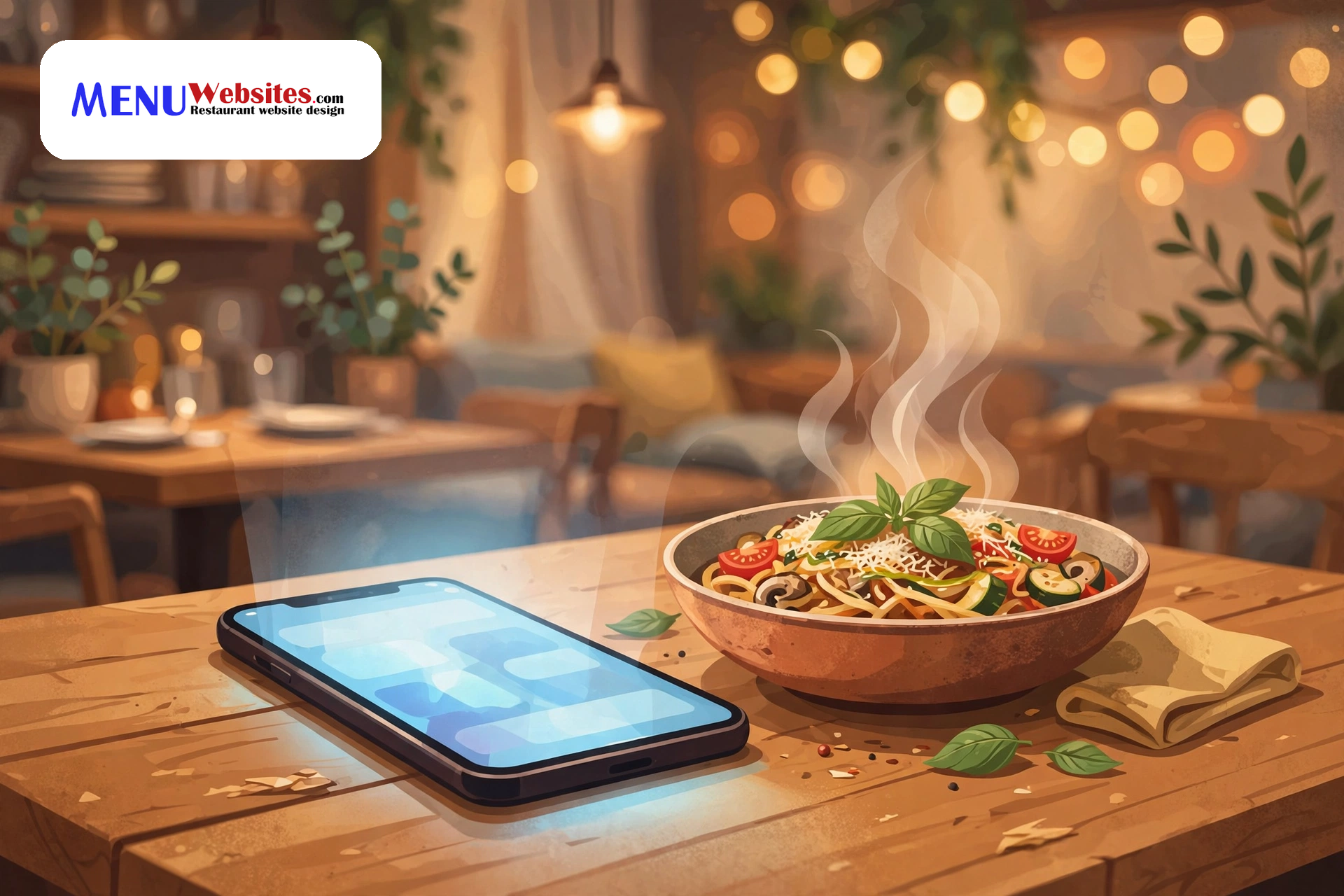
Why Restaurant SMS Marketing Beats Every Other Channel
The numbers explain the obsession. Text messages are opened at rates email marketers can only dream about, and most people read them within minutes of delivery. Your guests carry their phones everywhere — in line at the coffee shop, on the couch deciding where to order dinner. A text arrives at the moment decisions get made.
Speed is the other advantage. A text campaign can go from idea to revenue in twenty minutes: write 160 characters, hit send, and watch reservations climb before dinner service. For a restaurant, where a slow night costs real money, that speed is everything.
But the deepest advantage is ownership. Social platforms change their rules constantly and throttle your reach. Your SMS list is yours — every subscriber opted in because they want to hear from you. Paired with an email and SMS marketing service that handles list growth and automation, texting becomes a channel you control completely.
Building a Subscriber List the Right Way
Your list is the asset, so build it deliberately. The golden rule: never text anyone who did not explicitly opt in. Buying lists or texting past customers without consent is illegal under federal law. Every quality subscriber comes from a moment where a real guest said, “Yes, I want your texts.”
At the table
Table tents, receipt print-outs, and your servers are your best recruiters. A simple sign — “Text TACOS to 55588 for a free appetizer on your next visit” — works because the offer is immediate and the friction is nearly zero. Train your staff to mention it once, the way they would mention a special.
On your website
Add a small SMS opt-in to your reservation flow and online ordering checkout. Someone booking a Friday table is exactly who wants to hear about the weekend special. Keep the ask short: one checkbox, one phone field, one sentence about what they will get.
On receipts and takeout bags
Every receipt and takeout bag is a free billboard. A QR code or short code with a small incentive — a dessert, a discount, early access to a seasonal menu — turns one-time orderers into repeat contacts. This works especially well for takeout and delivery regulars who may never sit in your dining room.
The Campaigns That Actually Fill Tables
Not all texts are equal. These five campaign types consistently drive revenue for restaurants, and each one serves a different purpose.
1. Slow-night rescue promotions
The classic, and still the king. When bookings look thin for Wednesday, send a time-bound offer to your list: “Slow night? We’re not. Show this text tonight for a free bruschetta with any two entrees — valid until 9 PM.” Time limits create urgency, and targeting a specific slow period means you are filling seats that would otherwise sit empty. Never discount your best nights; text offers are for moving demand where you need it.
2. Order updates that bring people back
Transactional texts — order confirmed, food is on the way, your table is ready — earn enormous trust because they are genuinely useful. Guests who get crisp, timely updates rate their experience higher and reorder sooner. Add a soft next step: after the order is delivered, a follow-up text with a direct link to reorder turns a one-time buyer into a habit. If your kitchen runs through an online ordering system with built-in SMS notifications, these go out automatically.
3. Win-back texts for lapsed regulars
Every restaurant has regulars who drifted away. A personal-feeling text — “We miss you! It’s been a while — here’s 20% off your next visit, on us” — reactivates a surprising share of them. You already paid to acquire these customers once; a single text is the cheapest way to win them back. Run win-back campaigns monthly against guests who have not ordered in 60 or 90 days.
4. Review requests at the perfect moment
The best time to ask for a review is right after a great experience. A text an hour after a dine-in visit or right after delivery — “Enjoyed your meal? Tap here to leave us a quick review” — converts far better than a request printed on a receipt. More reviews mean better local rankings, which means more new guests discovering you.
5. Birthday and loyalty texts
Automated birthday texts with a small treat feel personal at scale: “Happy birthday! Your free dessert is waiting — show this text anytime this week.” They drive visits, often with a whole party attached. Pair texting with a digital customer loyalty program and rewards trigger automatically — points earned, tier upgrades, and anniversary offers, all delivered by text.
Compliance Basics: The Rules You Must Follow
SMS marketing is regulated in the United States, and the rules are non-negotiable. Follow them and you are safe; ignore them and you risk fines and lawsuits.
Express written consent. Every subscriber must have explicitly agreed to receive marketing texts from you. A checkbox at checkout, a keyword texted to your short code, or a signed form all count. Keep records of how and when each person opted in.
Identify yourself. Every marketing text must make clear who sent it. “Mario’s Trattoria:” at the start of the message is all it takes.
Always offer an opt-out. Include “Reply STOP to unsubscribe” in your first message and periodically after. Honor opt-outs immediately — your SMS platform should do this automatically.
Respect quiet hours. Do not send marketing texts before 8 AM or after 9 PM in the recipient’s local time zone. A promo at 7 AM annoys people; the same promo at 11:30 AM gets orders.
One more caution: consent is specific. Someone who opted in for order updates has not necessarily agreed to marketing texts. Keep separate lists — or collect both consents clearly — and only send each person what they signed up for.
Writing Texts People Actually Tap
Great restaurant texts share a few traits. Keep every message under 160 characters — shorter texts get read in full and cost less to send. Lead with the benefit: “Free dessert tonight” beats “We have an exciting announcement.” Use the guest’s first name when your data supports it.
Always include a clear next step: a link to your menu, reservation page, or ordering page. A text without a tap target is a wasted send. And watch your frequency — two to four texts per month is the sweet spot. More than that, and opt-outs climb; less, and people forget they subscribed. Finally, write like a human, not a corporation: “Chef just pulled the short ribs off the smoker — 12 portions tonight” beats “PROMO: 15% OFF ALL MENU ITEMS THIS WEEK ONLY!!!”
Measuring What Matters
Track three numbers and ignore the rest. First, list growth: how many new subscribers are you adding each week? Second, redemption rate: what share of recipients actually use the offer? A 10–20% redemption rate is strong for restaurant promotions. Third, opt-out rate: if it spikes after a particular send, that message was too frequent, too salesy, or mistimed. Review them monthly, keep what works, and kill what does not.
Get Started This Week
You do not need a big launch. Pick one opt-in point — table tents are the easiest — add a signup flow on your website, and send your first campaign to the small list you build: a slow-night offer or a new menu announcement. Measure the redemption, learn from it, and grow from there. Within a month, you will have a direct line to your best guests and a tool that fills tables on demand. The restaurants winning in 2026 are not the ones with the biggest ad budgets — they are the ones with a list they own and texts their guests actually want.
Related Resources
- Email & SMS Marketing — done-for-you text and email campaigns, list growth tools, and automation built for restaurants.
- Online Food Ordering System — commission-free online ordering with automated SMS order updates that keep guests coming back.
- Loyalty Programs — digital rewards programs that pair with texting to turn one-time visitors into regulars.